Online Scratch Cards in Canada
How an online scratch card decides its result, how a prize table turns into a return, what “1 in N” odds mean over many cards and how casino scratch games compare with provincial lottery tickets. The explorers below show the math on made-up example cards, with no money involved.
Illustration only: nine neutral symbols are drawn at random when the card is issued. No price, no prizes and no balance. Revealing a panel shows what was already decided.
- 1 in 3 approximate overall odds of any prize on an OLG paper instant ticket
- 90% RTP BGaming lists for 8 of the 12 games in its scratch category; the other 4 list 96.2% or 97%
- 18+ to buy a lottery ticket in Ontario; casino games, including casino scratch games, are 19+
What online scratch cards are
An online scratch card is the digital version of the paper instant ticket: you buy a card, clear its covered panels and the symbols underneath show whether the card pays. In Canada you meet the format in two places: as instant games from the provincial lottery corporations and as scratch games in online casino lobbies, usually in a small side category next to the slots.
- 1
The card
A card has a fixed price and a play area of covered panels, often a grid of nine. The rules on the card say what pays: three matching symbols, a symbol that matches a target row, or a number above a set value.
- 2
The result
The outcome exists before you touch the card. A paper ticket is printed with its symbols; an online card gets its symbols from a random number generator (RNG) at the moment it is bought. Scratching only uncovers them.
- 3
The prize table
Every game has a table of what each result pays and how often it occurs. Most cards pay nothing, a share pays back the price or a little more, and a very small number pay large multiples of the price. Together they set the return.
How an online scratch card works
Casino scratch games follow the same five steps whatever their theme. The only part you control is the price of the card and how many you buy.
Choose the card price
Many games offer the same card at several prices. The prize table scales with the price: a dearer card pays more when it pays, but it is not more likely to pay. Decide your budget before the first card.
Buy the card
The price is taken from your balance and the RNG draws the card’s result at that moment, from the game’s fixed prize table. The card is settled before it appears on screen.
Reveal the panels
You clear the panels with a finger or the mouse, or press a button to reveal them all at once. Some games add autoplay and a turbo mode that skip the scratching and show the result straight away.
The card is checked
If the symbols match a line of the prize table, the card pays that multiple of its price. Otherwise the price is gone. Either way, the round takes seconds.
The next card starts from scratch
Each online card is drawn on its own. A run of cards that paid nothing does not make the next one more likely to pay, and a card that paid well does not make the next one less likely to.
Prize structure explorer: where the return comes from
The two cards below are made-up examples, not real games. Card A is built like a paper lottery ticket, card B like a casino scratch game. Pick a card to see its prize table per million cards, how often it pays and how much of its return sits in a few rare prizes. Then open 100 example cards to see how uneven a short run is.
| Card pays | Odds | Cards per million | Share of the return |
|---|---|---|---|
| Nothing | 1 in 1.37 | 729,930 | |
| Price back | 1 in 8 | 125,000 | |
| 2x price | 1 in 10 | 100,000 | |
| 4x price | 1 in 25 | 40,000 | |
| 10x price | 1 in 250 | 4,000 | |
| 50x price | 1 in 1,000 | 1,000 | |
| 500x price | 1 in 20,000 | 50 | |
| 5,000x price | 1 in 50,000 | 20 |
Open 100 example cards
Press the button to open 100 example cards from card A.
- Nothing
- Price back
- 2x to 5x
- 10x to 50x
- 500x or more
Both cards are invented to show the math; real games publish their own tables in the help screen or on the lottery’s game page. The rarest prizes are a large part of the return but turn up on very few cards, so most players never see them. Over a normal session, what you get back is usually well below the overall return.
Odds explorer: what “1 in N” means
Odds on a card or in a help screen are written as “1 in N”: on average, one card in N gives that result. Pick a line from example card A to see N cards as a grid, then move the slider to see the chance that a given number of cards includes at least one such card, and what those cards cost.
Each square is one card. With odds of 1 in 10, about 10 of every 100 cards pay 2x the price (highlighted).
Every card has the same odds, however many you buy. More cards raise the chance of seeing a given result only because more cards are paid for: the amount spent and the average cost rise with every card. “Any payout” includes cards that only pay back their price.
Why fast rounds add up
A scratch card is one of the fastest games in a casino lobby. The house edge per card stays the same, but the number of cards per hour decides what a session costs. The table uses a C$1 card and the two example returns from above; the pace figures are illustrative.
| Pace | Cards per hour | Spent per hour | Average cost at 90% return | Average cost at 70% return |
|---|---|---|---|---|
| Every panel by hand, about 30 seconds a card | 120 | C$120 | C$12 | C$36 |
| Reveal all, about 10 seconds a card | 360 | C$360 | C$36 | C$108 |
| Autoplay with turbo, about 5 seconds a card | 720 | C$720 | C$72 | C$216 |
Average cost = cards per hour × card price × house edge (10% at a 90% return, 30% at 70%). It is a long-run average: a single hour can end well above or below it.
Long-run average cost by return
- Example card A 70% return, 30% house edge C$30.00
- Example card B 90% return, 10% house edge C$10.00
- Scratch game at 97% top of BGaming’s listed range C$3.00
- European roulette, for comparison 2.70% house edge C$2.70
The total counts every card bought, including cards paid for with money a previous card paid back. The figure is a long-run average, not a prediction for one session.
Lottery instant tickets or casino scratch games
Provincial lottery corporations sell paper instant tickets in stores, and some sell digital instant games on their own platforms too, such as BCLC in British Columbia. Casino scratch games come from game studios and sit in online casino lobbies. The basic idea is the same; the rules around them are not.
| Paper lottery instant tickets | Online casino scratch games | |
|---|---|---|
| Sold by | The provincial lottery corporation, through retailers | Online casinos, from studios such as BGaming and Hacksaw Gaming |
| How the result is set | Printed in advance: each game is a fixed run of tickets with a fixed number of prizes | Drawn by an RNG when the card is bought, from the game’s prize table |
| What is published | Overall odds printed on every ticket; OLG lists a prize payout for each game | RTP and prize table in the game’s help screen |
| Return | 65% to 73% on the current OLG fact sheets we checked | 90% to 97% across BGaming’s scratch category |
| Pace | One ticket at a time | A few seconds a card; some games add autoplay |
| Minimum age | 18 in Ontario | 19, or 18 in Alberta, Manitoba and Quebec |
OLG’s responsible gambling site gives an example of how printed odds work: a game of 21,155,400 tickets with 6,141,887 prizes has overall odds of 1 in 3.44. Minimum ages for lottery products in other provinces are on our legal guide.
Common card types
Studios dress scratch games in many themes, but the play area is usually one of the formats below. Whatever the format, the card’s result is fixed before it is revealed.
The classic nine-panel grid. Three identical symbols pay the amount the prize table sets for that symbol; any other layout pays nothing.
A row of target symbols or numbers sits above your own panels. Each of your panels that matches a target pays the amount printed under it.
A separate panel holds a multiplier that applies to whatever the rest of the card pays. Big multipliers are part of the prize table and just as rare as the table says.
Two or three small games share a card, each with its own rule. The card is still bought and settled as one, and its total is set at purchase.
Some studios mix scratch cards with dice or other symbols. In BGaming’s Scratch Dice, three matching dice pay, and a run such as 1-2-3 moves the card onto a second prize table with higher multiples.
What does not change the result
- The order of the panels
The symbols under the foil are set before the first panel is cleared. Revealing them in a different order, slowly or all at once, shows the same card.
- Two out of three
A card with two matching symbols and a third that is different is a card that pays nothing. It does not mean the next card is close to paying.
- A dearer card
A higher price raises what a card pays when it pays, not how often. OLG makes the same point about its paper tickets: playing more expensive games does not increase the odds.
- No card is due
Online, each card is drawn on its own. A long run of cards that paid nothing says nothing about the next one.
What the games look like
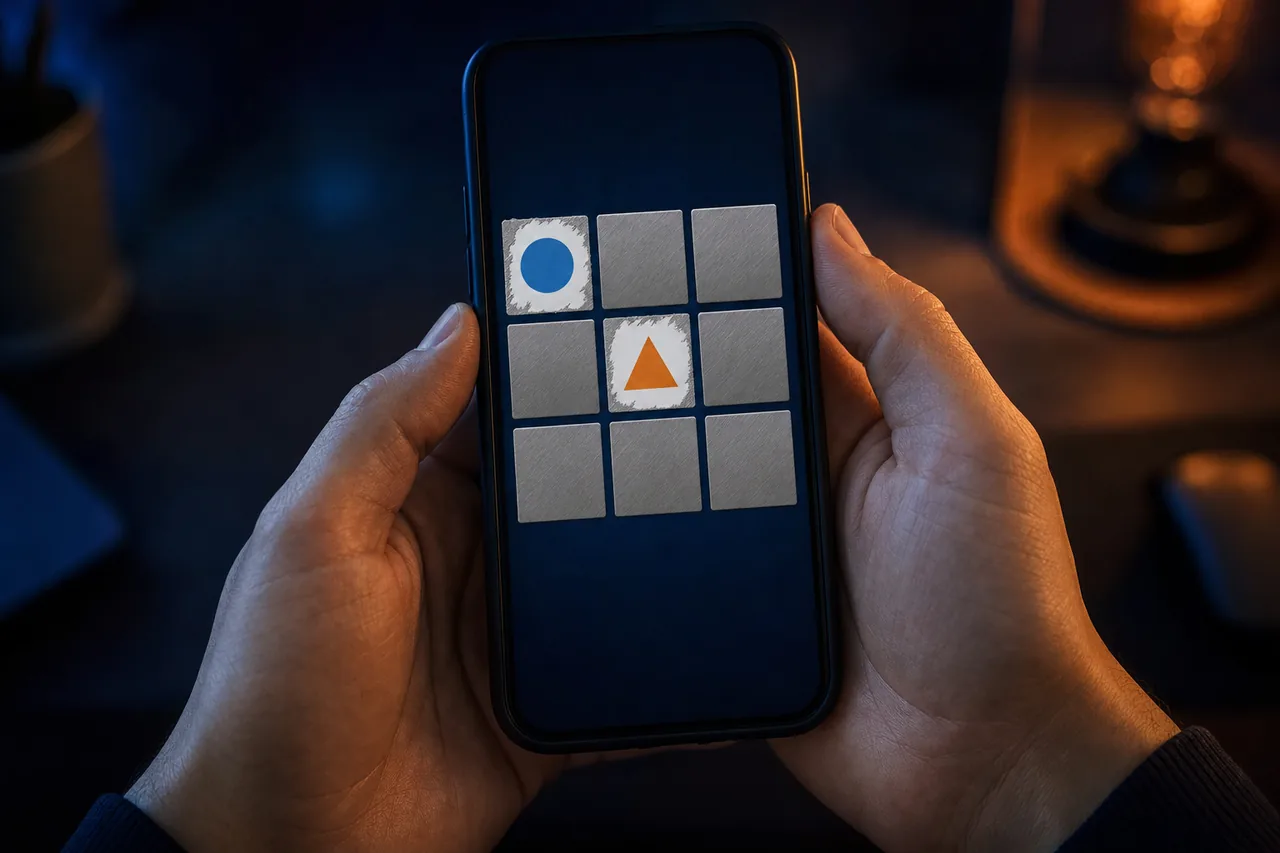
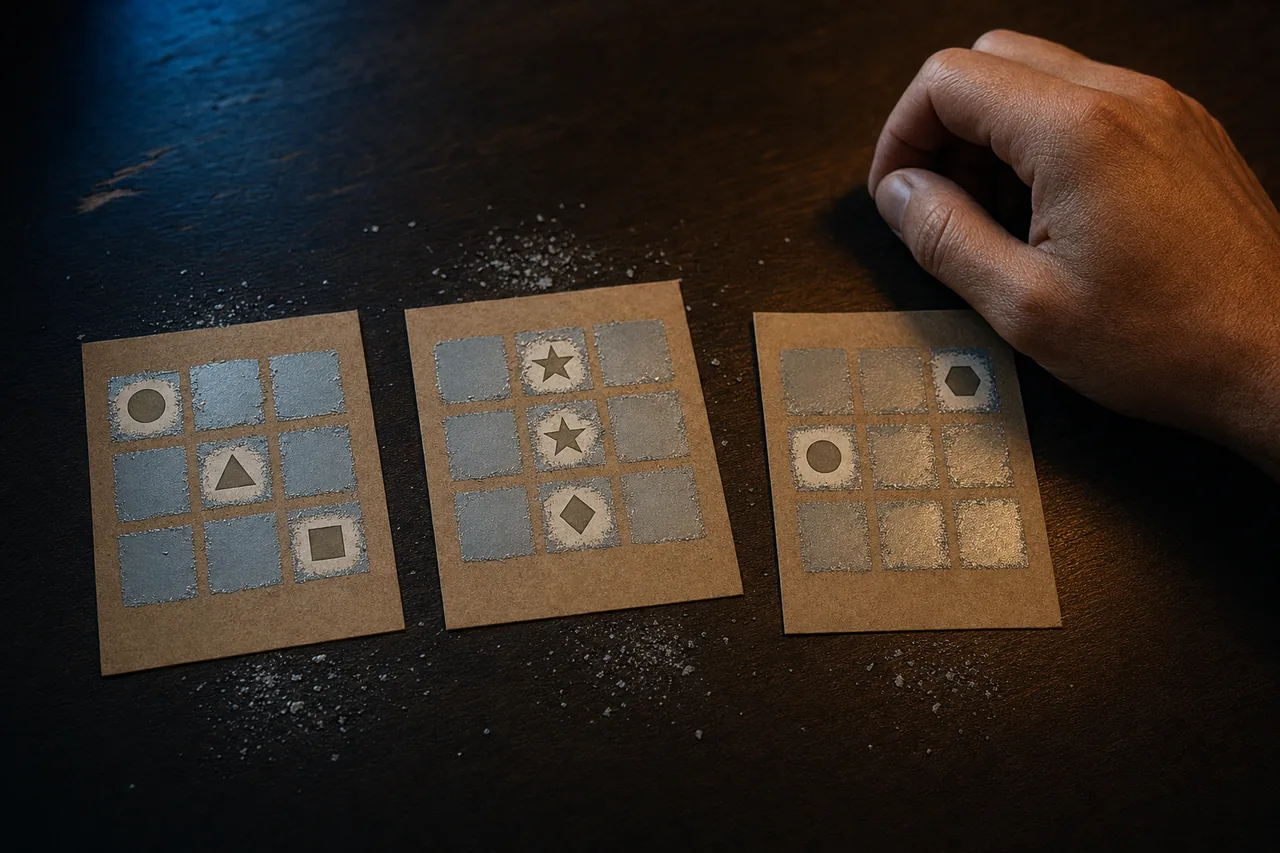
Both images are AI-generated illustrations of typical scratch card play.
Are online scratch cards legal in Canada?
It depends on your province. Under the Criminal Code only a provincial government can conduct and manage online gambling, so each province decides who may offer casino games such as scratch cards. Ontario has run an open market of registered private operators since 4 April 2022, and Alberta opened its own on 13 July 2026. Most other provinces offer online casino games through a single Crown platform, and the territories have no online casino platform. Our guide Are online casinos legal in Canada? covers each province, its regulator and its minimum age.
Frequently asked questions
Play within your limits
Scratch cards are games of chance: each card’s result is set when it is bought, and the house edge applies to every card. Fast rounds make it easy to spend more than planned, so set a time and money limit before you start and treat any spend as the cost of entertainment. 19+ for casino games (18+ in Alberta, Manitoba and Quebec); lottery tickets are 18+ in Ontario. Free, confidential help: ConnexOntario 1-866-531-2600, and every province’s helpline is on our responsible gambling page.